Serenbe Style and Soul

with Marie Nygren

Yearly Archive: 2014

Tuesday

25

March 2014

1

COMMENTS

Cooking Chicken for Paul Hawken

Written by , Posted in marie nygren, Miscellaneous, Recipe Articles, serenbe
View More: http://peachtreephotography.pass.us/serenbeevents

Years ago, when the Serenbe community was still a dream, the first person Steve and I told about it was our dear friend Ray Anderson. Ray was the founder of Interface Inc., one of the world’s largest manufacturers of commercial modular floor coverings, and one of the first CEOs in the world to make corporate sustainability his mission. When we told Ray our plan, he said: “You’re crazy, you have to do this and I’m going to do everything I can do help you.”

Ray connected us with so many people who helped inform and shape our vision, and one of them was Paul Hawken, an environmentalist, entrepreneur, journalist, author and one of the world’s foremost leaders on sustainability. Paul wrote The Ecology of Commerce; Growing A Business; Natural Capitalism; and Blessed Unrest: How The Largest Movement in the World Came Into Being And Why No One Saw It Coming. Paul has affected world change with his books, and when he speaks I’m so taken with his passion for the environment.

So when he called and asked me to get a group of influential women together who could potentially become investors in a new hair color product he was working on, I said yes. It was my way of repaying the favor Ray had done for us all those years ago.

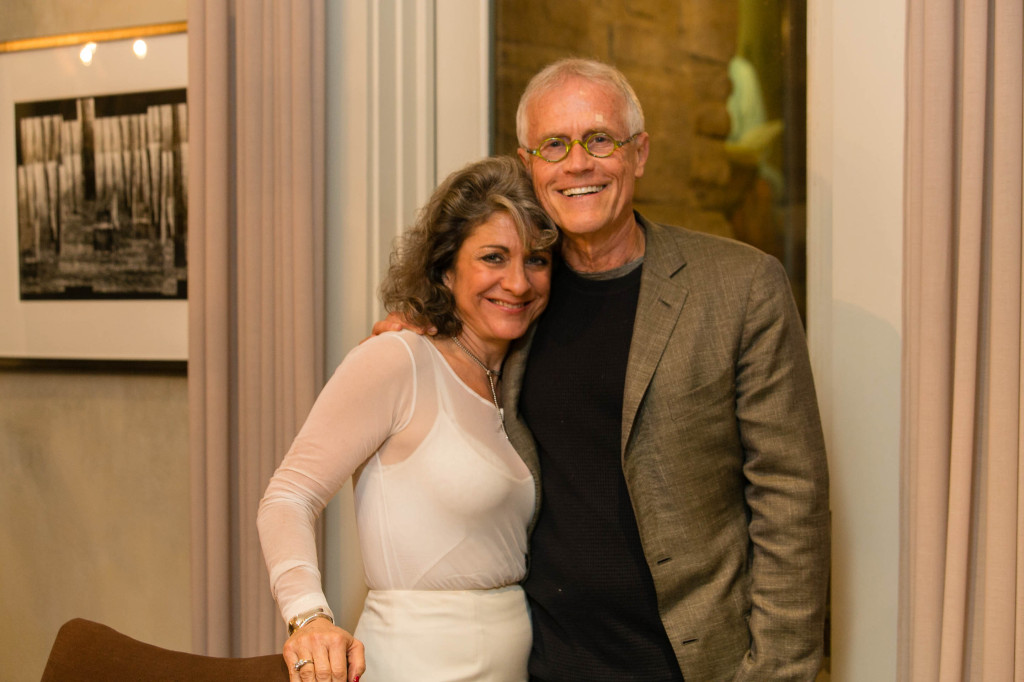
Paul stayed at Serenbe for three days. One night he presented his product and the next day he was spoke at our first Creative Changemaker Series. But on that first night, we had a private dinner for him with the members of Steve’s Biophilic Institute group. I found whole chickens from a farm in South Georgia at Fern’s Market, roasted them and served them with the feet and everything.

Fresh chickens vary, but this free-range and scratch fed, which means it was lean and very delicate, not big and moist like chickens you might find in the grocery store. I served it with sautéed cabbage and roasted okra on the side.

Before he left, Paul said, “Marie’s, as long as you’re cooking, I’ll come back anytime.”

Roasted Whole Chicken
  • 1 whole chicken
  • Olive oil
  • Salt
  • Pepper
  • Fresh thyme
  • Fresh lemon

Rub the chicken all over with olive oil, salt and pepper. Take whole sprigs of fresh thyme and put it into the cavity of the bird and under the skin of its breast.

Roast it at 375 degrees for 20-25 minutes until fork tender. When it’s done, let the meat rest a bit and squeeze fresh lemon juice all over it before cutting into small pieces and serving.

Tuesday

18

March 2014

0

COMMENTS

Black Bean Casserole

Written by , Posted in Recipes

Black Bean Casserole

9 six-inch corn tortillas
1 one-pound bag black beans, cooked (or two cans, rinsed)
3 cups cooked rice
1 cup sour cream
¾ pound Monterey Jack cheese, shredded
1 four-ounce can chopped green chiles
2 cups salsa

Preheat oven to 375. Mix cooked rice with beans, 1.5 cup salsa, sour cream and chiles. Lay 3 tortillas on the bottom of a dish. Spoon ½ mixture over the tortillas and sprinkle with cheese. Repeat with 3 tortillas, rice and cheese. Finish with remaining 3 tortillas and ½ cup salsa and cheese. Cook 20-25 minutes until bubbly. Serve with sour cream, salsa and chips.


Tuesday

18

March 2014

0

COMMENTS

Camp Serenbe and 30 Years Of Black Bean Casserole

Written by , Posted in Miscellaneous

In the summers when my three daughters were young and we still lived in Atlanta, we had Camp Nygren. A teenage boy the girls adored would come to the house from 9 a.m. to 3 p.m. and they’d do all sorts of activities.

1098197_10151768094368205_984712338_nMost kids outgrow camp, but my middle daughter, Kara, loved it so much she turned it into a career. Of all my girls, Kara was the only one who cared about baby dolls. That transitioned into an affinity for children and taking care of people in general. She’s so good at it that her college sorority created a new position for her called Sorority Mom.

A few years ago, when the opportunity to create Camp Serenbe arose, Kara took the challenge and ran with it. This year she’s added Spring Break camps to the summer sessions and is even doing a special Cooking & Farming Camp June 9-13 and July 14-18. Kids will learn about crops at Serenbe Farms and Kara has somehow roped me into teaching them how to make snacks and meals as well

I haven’t decided what will be on the menu yet, but I may have to share my Black Bean Casserole. It’s great for kids because the only thing that has to be cooked is the rice, which can always be pre-cooked. I created it when the girls were little and it was one of their favorite meals to have during family dinner hour—no phones, no electronics, just dinner with family every Sunday through Thursday night. I’ve been making this casserole for 30 years, which pretty much qualifies it as part of my family.


Black Bean Casserole

9 six-inch corn tortillas
1 one-pound bag black beans, cooked (or two cans, rinsed)
3 cups cooked rice
1 cup sour cream
¾ pound Monterey Jack cheese, shredded
1 four-ounce can chopped green chiles
2 cups salsa

Preheat oven to 375. Mix cooked rice with beans, 1.5 cup salsa, sour cream and chiles. Lay 3 tortillas on the bottom of a dish. Spoon ½ mixture over the tortillas and sprinkle with cheese. Repeat with 3 tortillas, rice and cheese. Finish with remaining 3 tortillas and ½ cup salsa and cheese. Cook 20-25 minutes until bubbly. Serve with sour cream, salsa and chips.


Tuesday

11

March 2014

0

COMMENTS

Flavors Develop Over Time: My friendship with Anne Quatrano And Some Damn Fine Porchetta

Written by , Posted in Miscellaneous

View More: http://peachtreephotography.pass.us/serenbeevents

I met Anne Quatrano, chef/owner of Bacchanalia, Floataway Café and Abattoir, more than 10 years ago at one of the first Les Dames d’Escoffier events. I’d seen her in her restaurants and had admired her from afar for years. Anne didn’t bring fine dining to Atlanta, but she took it to another level.

In 2009, when I asked her to be one of the chefs in my first Southern Chefs Series, I was still in absolute reverence. But after spending two days together, I was in awe for a completely different reason. Anne’s attention to detail is over the top. It’s not obsessive-compulsive or tedious—she just has an eye for exquisiteness. She also has a very wicked, very dry sense of humor. It only comes out occasionally and I feel graced when I get to see it.

After that first class, as she walked out the door, I said, “You know you’re coming back, right?” And she replied, “Yes Marie, I’ll always be back.”

For her class last month, Anne showed up with a copy of her new cookbook, Summerland, for each participant. She also had bookmarks made that represented each recipe—a lobster, pig, vegetable bouquet, etc.—so everyone could find each dish with ease. That’s Anne—I have yet to meet a chef that goes to the nth degree like her.  And of all the chefs who’ve visited for the Southern Chefs Series over the years, she’s the one I’ve gotten to know the best.

Anne stopped by Star Provisions, her retail space and market on Atlanta’s Westside, and picked up freshly baked brioche, which she fried in butter for lobster rolls. We made Mexican wedding cookies. And we made her porchetta, a slow-roasted leg of pork that is everyone’s favorite staff meal at Bacchanalia.


View More: http://peachtreephotography.pass.us/serenbeevents

Slow-Roasted Porchetta
Serves 12, with leftovers
9 cups kosher salt for brining, plus 1 tablespoon for the spice mixture
1 (15 pound) whole leg of pork, bone-in, skin-on
1 cup fennel seeds
2 tablespoons crushed red pepper flakes
8 garlic cloves
2 cups freshly squeezed lemon juice (about 10 lemons)
2 cups spicy olive oil, such as Arbequina

One week prior to cooking, brine the pork. You can ask your butcher to brine the leg for you, or do it yourself: Dissolve three cups salt in 2 gallons cold water in a five-gallon bucket. After the salt is dissolved, add ice to bring the water up to the three-gallon mark to ensure that the brine is very cold. Place the whole leg in the brine and refrigerate for up to a week. (If refrigerator space is a consideration, a sturdy five-gallon bag, sealed tightly, would also work.) I like to change the brine every couple of days, using up to 9 cups of salt.

The night before serving the pork, preheat the oven to 450 degrees F. Remove the leg from the brine and allow it to air dry, or pat dry with paper towels. With a sharp paring knife, make parallel incisions about 1 inch apart the length of the pork through the skin and fat of the leg, almost to the meat. Repeat, covering the entire skin of the leg with the incisions.

Lightly toast the fennel seeds in a dry large nonstick pan over medium heat until just fragrant; let cool. In a food processor, pulse the cooled fennel seeds, red pepper flakes, garlic and the 1 tablespoons salt until roughly chopped. Generously press the spice mixture into the incisions in the leg.

Place the leg of pork in a roasting pan and roast for 45 minutes. The pork should be deep golden brown in color and very aromatic. Mix the lemon juice with the oil and pour over the browned pork leg. Turn the oven down to 225 degrees F and continue to roast for about 12 hours. Baste with the pan juices every few hours, if you like, or just leave it to cook. In the morning I will baste a few times. Check the pork frequently after 11 hours; the meat should fall off the bone and the skin should be a deep golden brown.

To serve, remove the cracking skin and then pull the meat with a form into long pieces. Drizzle the pork with the remaining pan juices, or serve the jus on the side. Serve the cracking skin, cracking it into pieces, if you wish, as a garnish with the pork (some think it’s the best part).

Tuesday

11

March 2014

0

COMMENTS

Slow-Roasted Porchetta

Written by , Posted in Recipes

View More: http://peachtreephotography.pass.us/serenbeevents

Serves 12, with leftovers
9 cups kosher salt for brining, plus 1 tablespoon for the spice mixture
1 (15 pound) whole leg of pork, bone-in, skin-on
1 cup fennel seeds
2 tablespoons crushed red pepper flakes
8 garlic cloves
2 cups freshly squeezed lemon juice (about 10 lemons)
2 cups spicy olive oil, such as Arbequina

One week prior to cooking, brine the pork. You can ask your butcher to brine the leg for you, or do it yourself: Dissolve three cups salt in 2 gallons cold water in a five-gallon bucket. After the salt is dissolved, add ice to bring the water up to the three-gallon mark to ensure that the brine is very cold. Place the whole leg in the brine and refrigerate for up to a week. (If refrigerator space is a consideration, a sturdy five-gallon bag, sealed tightly, would also work.) I like to change the brine every couple of days, using up to 9 cups of salt.

The night before serving the pork, preheat the oven to 450 degrees F. Remove the leg from the brine and allow it to air dry, or pat dry with paper towels. With a sharp paring knife, make parallel incisions about 1 inch apart the length of the pork through the skin and fat of the leg, almost to the meat. Repeat, covering the entire skin of the leg with the incisions.

Lightly toast the fennel seeds in a dry large nonstick pan over medium heat until just fragrant; let cool. In a food processor, pulse the cooled fennel seeds, red pepper flakes, garlic and the 1 tablespoons salt until roughly chopped. Generously press the spice mixture into the incisions in the leg.

Place the leg of pork in a roasting pan and roast for 45 minutes. The pork should be deep golden brown in color and very aromatic. Mix the lemon juice with the oil and pour over the browned pork leg. Turn the oven down to 225 degrees F and continue to roast for about 12 hours. Baste with the pan juices every few hours, if you like, or just leave it to cook. In the morning I will baste a few times. Check the pork frequently after 11 hours; the meat should fall off the bone and the skin should be a deep golden brown.

To serve, remove the cracking skin and then pull the meat with a form into long pieces. Drizzle the pork with the remaining pan juices, or serve the jus on the side. Serve the cracking skin, cracking it into pieces, if you wish, as a garnish with the pork (some think it’s the best part).


Wednesday

5

March 2014

0

COMMENTS

Grilled Quail

Written by , Posted in Recipes

Grilled Quail
12 quail, halved
½ cup extra virgin olive oil
Fresh thyme
Kosher salt and freshly ground pepper

Place quail in a ceramic dish. Pour olive oil over and sprinkle with fresh thyme sprigs. Generously salt and pepper. While dish is marinating, prepare grill.

If available, use hickory wood for grilling. Let wood come to high heat, then place quail on grill and cook 6-10 minutes, depending on level of heat.

Alternately, the quail can be baked in a 375-degree oven for 20-25 minutes.

Wednesday

5

March 2014

0

COMMENTS

Recipe For Success: Going outside my culinary comfort zone with a corporate consulting experience.

Written by , Posted in Miscellaneous

serenbe-chef


On a recent trip to London, I got an email from my daughter, Garnie. She’d just met with a corporate consultant who wanted to bring a CEO of a high-level Atlanta company and his five executive vice presidents to Serenbe. They’d spent seven months planning a company reorganization and wanted to culminate the experience with a retreat before putting their plan into action.

It sounded interesting, but the timing didn’t work on my end, so I regretfully declined. I immediately received an email back from Garnie, written in big, shouty caps:

MOM. YOU HAVE TO DO THIS.

My daughter can be very persistent. I have no idea where she gets that from.

When I returned, the consultant and I had lunch at chef Hugh Acheson’s fabulous Empire State South. We talked about the symbolism behind cooking and how a cooking class can be a metaphor for the way a company works. Each member of the staff is an ingredient: How do you stir them all together to create a healthy company?

There in my kitchen with all the food and utensils, the CEO and his staff weren’t the only ones feeling a bit outside their comfort zone. As I organized them into teams to create different parts of the meal, I thought about how this metaphor applied to my own life. What are the ingredients of Serenbe? What is it about our recipe that’s worked so well and how can we share our magical meal with the world?

As I’ve done many times, the company needed to take an old recipe and update it for today’s times. And the only way to do that is to think differently about your ingredients.

So we started with the salad. Does every salad have to have lettuce? No. I gave them a variety of vegetables and talked about the options. Should we roast them? Fry them? Have them raw?

We talked about not just the ingredients but the presentation—when the world is looking at your salad, what do you want it to see?

What kind of dressing complements the vegetables? I gave them a variety of oils, mustards and fruit and they played around with it until they found the right balance of bite and acidity that didn’t overpower the produce.

Later we did roasted quail over a fire in the backyard and talked about timing, temperature and the whole aspect of fire and creating energy.

Watching them work, think and cook their way through the process just confirmed what I’ve always known: Cooking is about leading and listening. About controlling things up to a point, then letting go. And the most important ingredient in any recipe for success—whether it’s roasted quail or a multimillion-dollar corporation—is intuition.

Grilled Quail
12 quail, halved
½ cup extra virgin olive oil
Fresh thyme
Kosher salt and freshly ground pepper

Place quail in a ceramic dish. Pour olive oil over and sprinkle with fresh thyme sprigs. Generously salt and pepper. While dish is marinating, prepare grill.

If available, use hickory wood for grilling. Let wood come to high heat, then place quail on grill and cook 6-10 minutes, depending on level of heat.

Alternately, the quail can be baked in a 375-degree oven for 20-25 minutes.

Tuesday

25

February 2014

0

COMMENTS

La Farm Bread

Written by , Posted in Recipes

View More: http://peachtreephotography.pass.us/serenbeevents4 ½ cups unbleached, unbromated white bread flour
¾ cup unbromated whole-wheat bread flour
1 tablespoon fine sea salt
2 ¼ cups plus 1 tablespoon water
1 cup plus 2 teaspoons starter

Place flours, salt, starter and water in mixing bowl.

Begin mixing at low speed (#2 on Kitchen Aid Mixer with a dough hook) for 5 minutes. After 5 minutes, increase speed (#4 on Kitchen Aid Mixer) for 2 more minutes.

The temperature of the dough should be between 72°F and 80°F. The dough should be soft to the touch and moist feeling, but should not stick to fingers. Place dough in a bowl that had been lightly dusted with flour. Cover with plastic and let rise for 1 hour. Fold the dough by lifting each of the corners of dough and folding them into the center. Cover the dough with plastic and return to a warm, draft-free place for another hour. Repeat this folding process a second time, and let rest for a third hour.

Since you are making one loaf, no dividing is needed.

Shape the dough into a boule. Lightly dust a banneton with flour. Place the dough in the banneton, seam side up. Throw a light film of flour over the top to keep the plastic from sticking, and cover tightly with plastic wrap.

Let the dough proof for 2½-3 hours in a warm, draft-free place.

Place a piece of parchment paper on a bread peel. Turn the dough onto the peel, bottom side up. Using a single-edged razor blade, score the loaf, just barely breaking through the skin and cutting about ⅛ inch into the dough. Bake at 450°F for about 40 minutes until the bread is a deep golden brown with a crisp crust and sounds hollow when tapped on the bottom.


Tuesday

25

February 2014

0

COMMENTS

Flour Power! Breaking bread with master baker Lionel Vatinet

Written by , Posted in Miscellaneous

View More: http://peachtreephotography.pass.us/serenbeevents

Master baker Lionel Vatinet believes in the magic of baking bread. And by the time he’d finished his recent bread demonstration at Serenbe’s Bosch Experience Center, all 70 people in attendance did as well. Or maybe their mouths were too full of fresh sourdough to say otherwise.

I’ve always been interested in the metaphysics of—and the energy behind—bread. You put flour and yeast together and it becomes something incredibly wonderful. Lionel, who was born in France and now owns La Farm Bakery in Cary, North Carolina, is very keen on the whole aspect of handling the dough lovingly and letting it know you. No gloves allowed!

Talking with Lionel brought back so many memories of baking bread with my Aunt Merle, my mother’s favorite sister. She was the head of public nursing for Dekalb County and took me to my first symphony when I was 12. I’m the fifth Merle Marie in my family and was named after her, though for some reason I was called by my middle name.

This recipe for Vatinet’s La Farm Bread comes from his new cookbook A Passion For Bread: Lessons from a Master. If you have flour, salt, water, starter, hands and an oven, you can make some magic in your own kitchen.

View More: http://peachtreephotography.pass.us/serenbeevents

La Farm Bread
4 ½ cups unbleached, unbromated white bread flour
¾ cup unbromated whole-wheat bread flour
1 tablespoon fine sea salt
2 ¼ cups plus 1 tablespoon water
1 cup plus 2 teaspoons starter

Place flours, salt, starter and water in mixing bowl.

Begin mixing at low speed (#2 on Kitchen Aid Mixer with a dough hook) for 5 minutes. After 5 minutes, increase speed (#4 on Kitchen Aid Mixer) for 2 more minutes.

The temperature of the dough should be between 72°F and 80°F. The dough should be soft to the touch and moist feeling, but should not stick to fingers. Place dough in a bowl that had been lightly dusted with flour. Cover with plastic and let rise for 1 hour. Fold the dough by lifting each of the corners of dough and folding them into the center. Cover the dough with plastic and return to a warm, draft-free place for another hour. Repeat this folding process a second time, and let rest for a third hour.

Since you are making one loaf, no dividing is needed.

Shape the dough into a boule. Lightly dust a banneton with flour. Place the dough in the banneton, seam side up. Throw a light film of flour over the top to keep the plastic from sticking, and cover tightly with plastic wrap.

Let the dough proof for 2½-3 hours in a warm, draft-free place.

Place a piece of parchment paper on a bread peel. Turn the dough onto the peel, bottom side up. Using a single-edged razor blade, score the loaf, just barely breaking through the skin and cutting about ⅛ inch into the dough. Bake at 450°F for about 40 minutes until the bread is a deep golden brown with a crisp crust and sounds hollow when tapped on the bottom.


Tuesday

18

February 2014

0

COMMENTS

Michel Nischan’s Naughty Angel Food Cake

Written by , Posted in Recipes

9 cups egg whites
10.5 cups sugar
2 tablespoons Cream of Tartar
6 cups cake flour
1.5 cups almond flour
2 teaspoons salt
3 tablespoons butter, at room temperature
2-3 tablespoons local honey, jam or caramel sauce

Mise en place all ingredients. Add two cups of the sugar to the flour and sift.

Whisk the Cream of Tartar into the remaining sugar. On high speed, whip the egg whites while gradually sprinkling in the sugar. Whip to a medium peak.

Gradually fold the dry mixture into the egg whites. Use a fold motion and not a stirring motion, as this may deflate the egg whites. Make sure there are no streaks of flour in the batter.

Divide between 4 pans and bake at 350 degrees for 15 minutes. Do not open the oven door during this time. Continue baking for an additional 35 minutes.

Once cake has cooled, slice the cake and lightly butter each side. Lay them in a non-stick skillet and pan fry over medium-high heat for about 2 minutes, or until golden brown on the bottom. Turn the slices and fry until lightly browned on the other side.

Transfer each slice to a plate and immediately drizzle with honey. If you want to use jam or caramel sauce, dump it into a hot pan off the heat, stirring it until it melts, then spoon it over the cake slices.